Understanding the Evolution of Neighborhood Block Parties
Neighborhood block parties have been a cornerstone of community interaction in the United States, fostering connections among residents. This article delves into their evolution, significance, and how they continue to adapt to modern societal changes.
Understanding the Basics
Historically, block parties emerged as a way to promote community engagement and solidarity. According to research by the National Recreation and Park Association, these gatherings can improve community ties and enhance neighborhood safety. Experts recommend organizing such events as they often serve as platforms for local activism and social support.
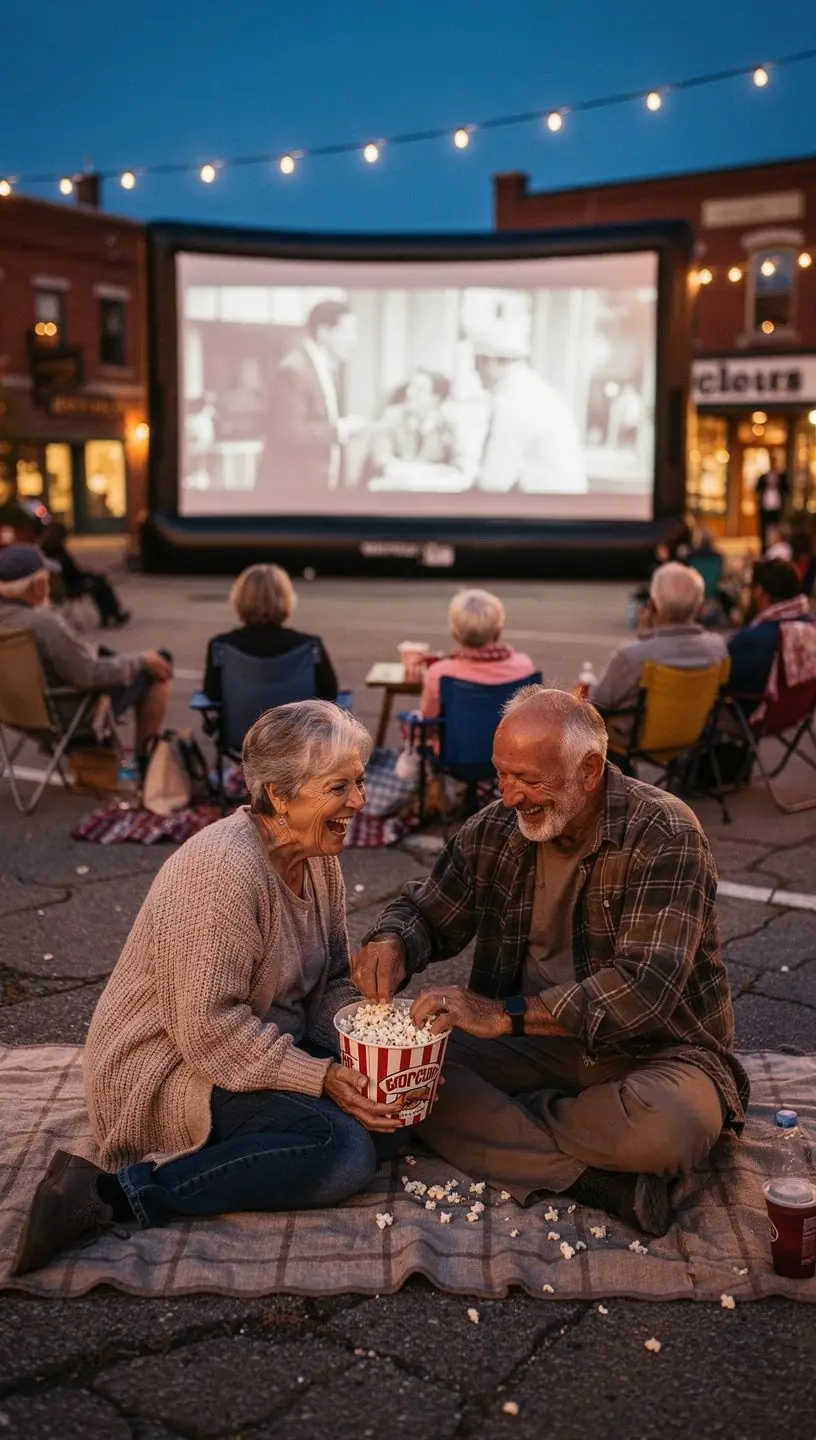
"Neighborhood block parties reflect a vibrant culture of community spirit, allowing residents to connect beyond casual encounters."
The Evolution of Block Parties
Traditionally, block parties consisted of simple gatherings where residents shared food and celebrated local culture. However, the shape and form of these events have evolved significantly over the years. Many communities now incorporate:
- Entertainment: Live music and performances are frequently included to engage attendees and create a festive atmosphere.
- Food Diversity: Neighborhoods often celebrate cultural diversity by showcasing various cuisines, allowing residents to experience different cultures.
- Activities for All Ages: Organizers now ensure that there are activities that cater to children, teens, and adults, making the event inclusive.
This evolution reflects a broader trend in community gatherings, as studies show that inclusive events tend to attract larger participant numbers and foster a sense of belonging among residents.
Planning Your Neighborhood Block Party
Planning a successful block party involves several steps and considerations:
- Gather Support: Reach out to neighbors to gauge interest and gather a planning committee. This typically takes a few weeks to establish.
- Set a Date: Choose a date that allows ample time for organizing. Most successful block parties occur during warmer months when outdoor gatherings are more feasible.
- Obtain Permits: Depending on your local regulations, you may need to secure permits for street closures or public gatherings. This can vary by location, so check with local authorities.
- Plan Activities: Incorporate a mix of activities suitable for all ages, which can enhance engagement and participation. This might require coordination with local entertainers or vendors.
As you plan, be mindful that while block parties can be wonderfully engaging, they also require a commitment of time and effort from organizers, typically involving several weeks of planning and collaboration.
Challenges and Considerations
While block parties can be rewarding, they also come with their challenges. Common issues include:
- Noise complaints from nearby residents.
- Weather-related cancellations or adjustments.
- Ensuring adequate safety measures, especially when serving food or hosting activities for children.
These challenges highlight the importance of clear communication with neighbors and local authorities to mitigate potential issues.
Conclusion
Neighborhood block parties are a meaningful way to build community ties and enhance local connections. By understanding their evolution and acknowledging both the opportunities and challenges they present, residents can create events that not only celebrate their neighborhood but also foster a sense of belonging. With thoughtful planning and community engagement, these gatherings can continue to thrive in the modern landscape.