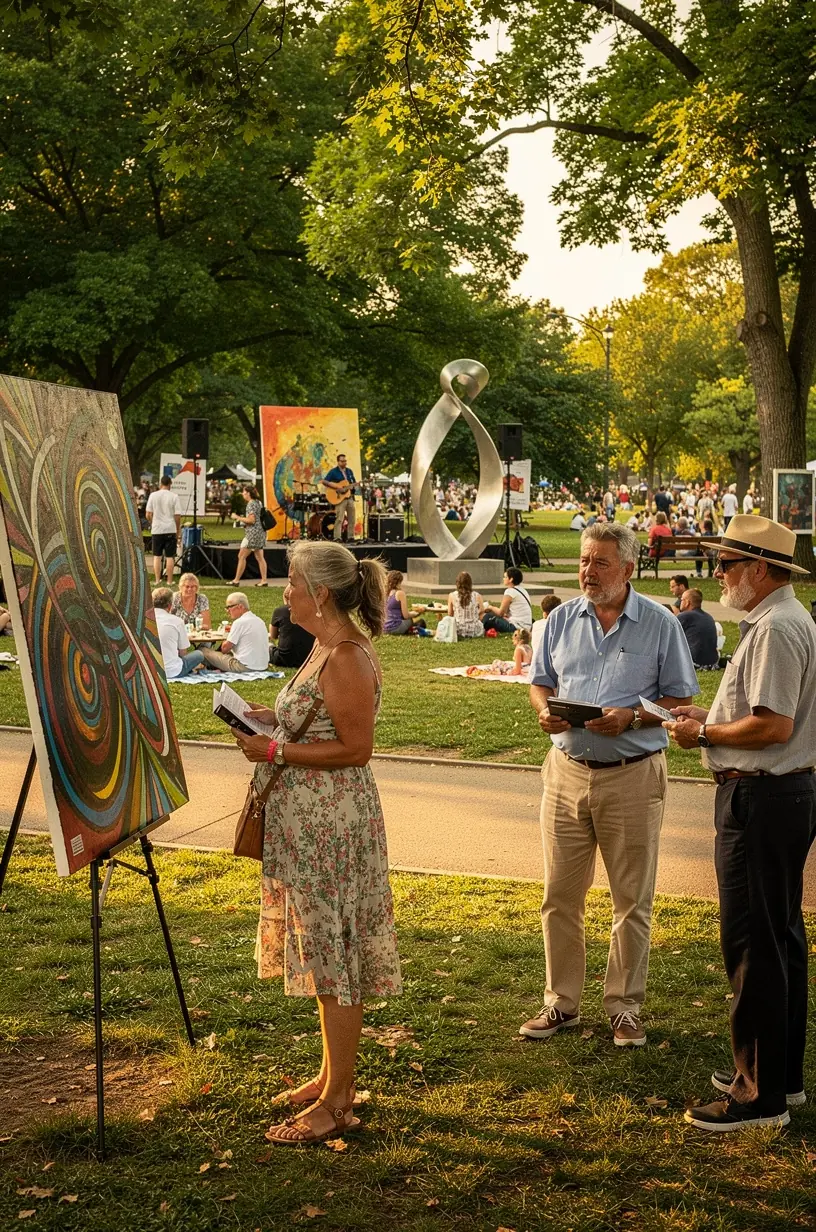
The Impact of Public Events on Local Economy
Public events play a significant role in shaping the economic landscape of local communities. From festivals to art shows, these gatherings often provide a boost to local businesses, create jobs, and foster community engagement. In this article, we explore how public events can influence the local economy and the factors that contribute to their success.
Understanding the Basics
Research indicates that public events can serve as catalysts for local economic growth. According to a study by the National Endowment for the Arts, events that engage the community can lead to increased spending in local businesses, often resulting in a ripple effect that benefits various sectors. For example, local restaurants, hotels, and retail shops frequently see a surge in customers during large events.

"Public events not only enhance community spirit but also significantly contribute to the local economy by increasing foot traffic and consumer spending," says Dr. Lisa Hartman, an economist specializing in community development.
How Public Events Influence Economic Growth
The impact of public events on the local economy can be examined through several key factors:
- Increased Visitor Spending: Events attract both locals and tourists, which typically leads to higher spending on accommodations, food, and entertainment.
- Job Creation: Many public events require additional staffing, which can provide temporary employment opportunities for community members.
- Community Engagement: Events often foster a sense of community pride and ownership, encouraging local residents to support their businesses and participate in civic activities.
Challenges and Considerations
While public events can contribute positively to the local economy, they are not without challenges. Organizing such events typically involves considerable planning and resources. Local authorities and event organizers must consider:
- Funding and Sponsorship: Securing financial support can be a challenge, often requiring collaboration with local businesses and government entities.
- Logistical Planning: Events necessitate careful planning regarding location, permits, and staffing, which may require significant time and effort.
- Environmental Impact: Organizers must also acknowledge the potential environmental implications, ensuring sustainable practices are in place.
Conclusion
In conclusion, public events can have a meaningful impact on local economies by increasing revenue for businesses and fostering community connections. However, successful event planning requires careful consideration of various factors, including logistics, funding, and sustainability. By understanding these dynamics, communities can better harness the economic potential of public events and create a thriving local environment.