Understanding the Role of Music in Community Events
Music is a universal language that resonates deeply within communities. It serves as a catalyst for social interaction, emotional expression, and cultural identity, particularly during community events. This article explores the multifaceted role of music in fostering community engagement, enhancing experiences, and the psychological benefits it brings.
The Importance of Music in Community Gatherings
Community events often feature music as a central element. According to a study by the National Endowment for the Arts, community participation in music events can increase social bonding and civic pride. Music creates an atmosphere that encourages people to gather, interact, and build relationships. This works because it evokes emotions and memories, making the experience more memorable for attendees.
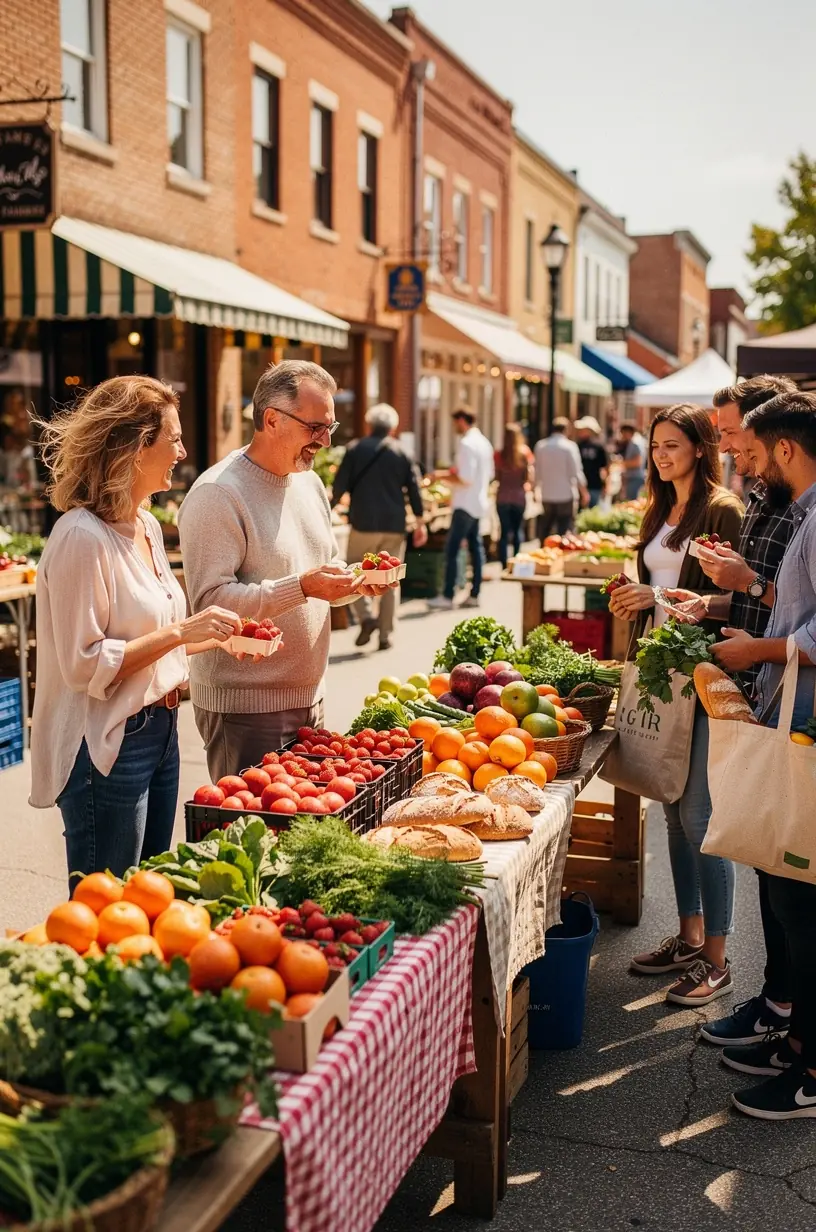
"Research indicates that music enhances social cohesion by providing a common ground for interaction among diverse groups."
How Music Influences Event Atmosphere
The selection of music at community events can significantly impact the atmosphere. For instance, upbeat genres can energize a crowd, while softer melodies may create a more relaxed environment. Many event organizers report that carefully curated playlists can lead to increased attendee satisfaction. This is often due to the connection formed through shared musical experiences.
Types of Music That Work Well
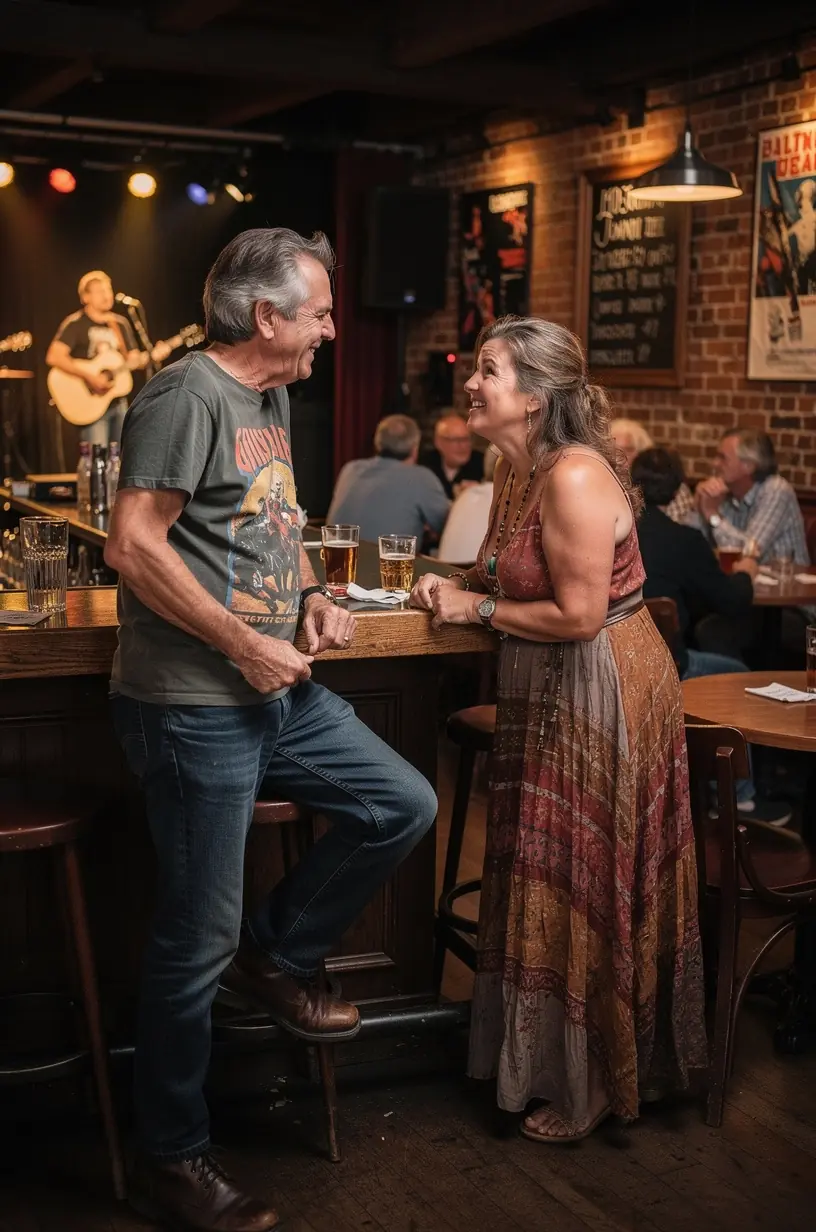
- Live Performances: Featuring local bands or artists can enhance community pride and support local talent.
- Interactive Music: Activities such as sing-alongs or dance-offs can actively engage attendees, making the event more enjoyable.
- Genre Variation: Incorporating different genres can appeal to a wider audience, fostering inclusivity.
The Psychological Benefits of Music in Community Events
Experts recommend integrating music into community events because of its psychological benefits. Studies show that music can reduce stress, boost mood, and even enhance cognitive function. For instance, participants in community music programs often report lower levels of anxiety and higher levels of satisfaction with their social lives. This is particularly relevant for older adults, who may benefit from the social interaction and mental stimulation that music provides.
Building Community Through Music
Music can serve as a bridge in communities by bringing together individuals from diverse backgrounds. Events that incorporate music often encourage participation from various demographic groups, fostering a sense of belonging and shared identity. This approach works best when the community actively engages in the planning process, ensuring that the music reflects the cultural diversity of the area.
Tips for Incorporating Music into Community Events
- Assess the audience: Understand the demographics attending the event to select music that resonates with them.
- Engage local artists: Collaborating with local musicians can enhance community ties and provide exposure for emerging talent.
- Interactive elements: Consider adding music-related activities such as workshops or open mic sessions to foster deeper connections.
Conclusion
Music plays a vital role in community events, not just as entertainment but as a means of fostering connections and enhancing the overall experience. By understanding how music influences social dynamics and emotional well-being, community organizers can create more engaging and inclusive events. Remember, while integrating music can enhance the experience, it is essential to remain mindful of the audience's preferences and cultural backgrounds.